The Power of Play: Why Your Child’s Fun Time Is Their Brain Time

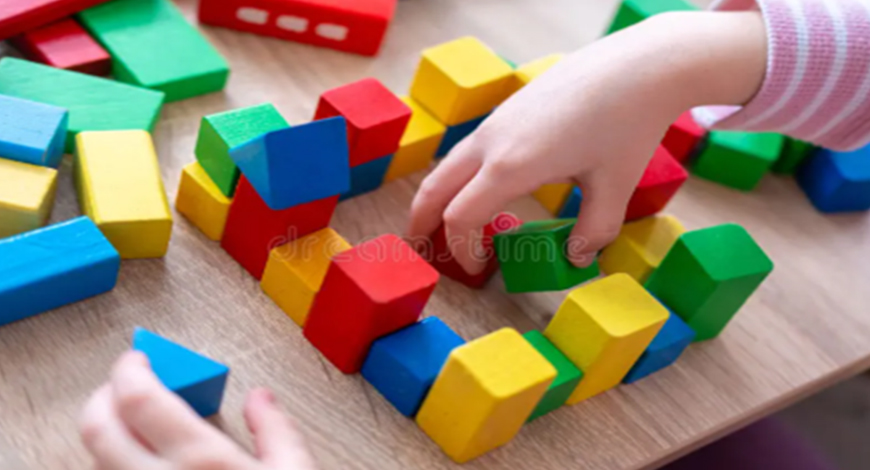
Understanding the Role of Play: Play is more than fun - it’s how young children learn and grow. It builds language, cognitive ability, emotional intelligence, and coordination. Simple activities like building with blocks teach physics, problem-solving, and patience. Role-play games foster empathy, imagination, and communication. Outdoor play enhances motor skills and appreciation for nature, while games like hide-and-seek build spatial awareness and turn-taking.

Pretending to be superheroes or animals helps children explore bravery, fairness, and justice. Unstructured play boosts creativity, giving children freedom to invent and explore. Parents can support this by providing open-ended toys like blocks, costumes, and art supplies. Downtime without screens lets kids imagine and create. Play with peers teaches listening, cooperation, and negotiation.

Cognitive Growth through Imaginative Play

Let children lead during play - it builds confidence and leadership. Daily undirected play supports brain development and reduces screen reliance. Play-based learning is used in schools to teach math, language, and problem-solving. Centers mimicking real-life (like post offices or grocery stores) help kids connect learning to life.

Puzzle play improves logic and perseverance - important for academic success. Physical play like running, climbing, or exploring fosters resilience and health. Sand and water activities are early science experiments in disguise. Risk-taking during play teaches problem-solving, courage, and self-regulation. Parents can deepen play by asking open-ended questions like: “Why did your character do that?” Modeling curiosity and cooperation during play shows children how to think through challenges.

Social and Emotional Benefits of Play: Rotating toys keeps interest alive without buying new ones. Make bath-time, cooking, or chores playful and interactive. Shared laughter strengthens emotional bonds between parent and child. Children who play regularly are more socially and academically ready for school. Think of play as your child’s job—support it like a mentor would. Offer variety: sensory bins, music, building kits, or pretend tools.

There’s no wrong way to play—as long as it’s safe and respectful. Limit screen time to preserve the joy of hands-on exploration. Let your child experience boredom—it sparks imagination. Give them “loose parts” like boxes, sticks, or fabric scraps to create and invent. Respect their play choices—this is how they process thoughts and emotions. A dedicated play station at home encourages independent discovery.

How Parents Can Support Play-Based Learning

Celebrate effort and imagination: “Tell me about what you built.” Avoid correcting too quickly—failure is part of learning. Free play is essential after structured activities. Don’t overschedule. Use storytelling, art, and music as playful learning tools. Let kids mix and match toys and themes—it builds flexible thinking. Enhance pretend play with your own ideas: “What if the dragon helps the knight?” Be silly together—humor reduces stress and boosts memory. Encourage active, messy play—it supports sensory development. Praise effort over results: “You worked really hard on that!” Create safe spaces where children can take risks without fear. Reframe mess as engagement—it means deep learning is happening. Recognize that repeated games are how kids master skills. Even solo play builds independence and creativity.