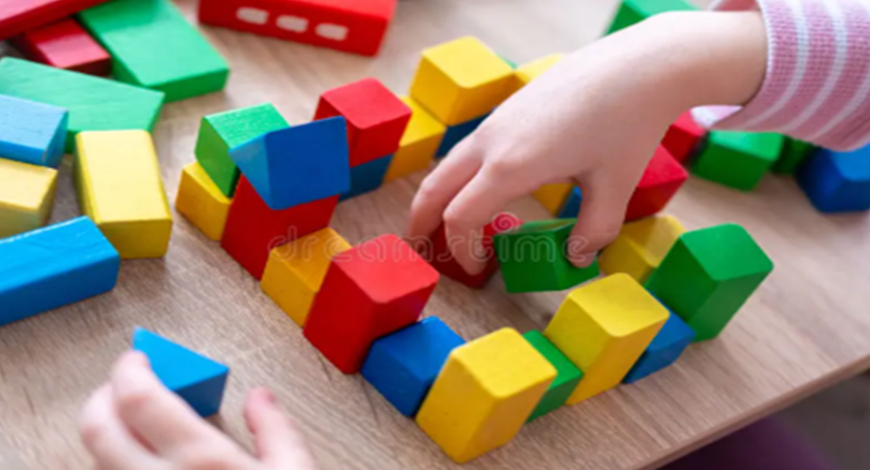
Puzzle play improves logic and perseverance - important for academic success. Physical play like running, climbing, or exploring fosters resilience and health. Sand and water activities are early science experiments in disguise. Risk-taking during play teaches problem-solving, courage, and self-regulation. Parents can deepen play by asking open-ended questions like: “Why did your character do that?” Modeling curiosity and cooperation during play shows children how to think through challenges.
Social and Emotional Benefits of Play: Rotating toys keeps interest alive without buying new ones. Make bath-time, cooking, or chores playful and interactive. Shared laughter strengthens emotional bonds between parent and child. Children who play regularly are more socially and academically ready for school. Think of play as your child’s job—support it like a mentor would. Offer variety: sensory bins, music, building kits, or pretend tools.
There’s no wrong way to play—as long as it’s safe and respectful. Limit screen time to preserve the joy of hands-on exploration. Let your child experience boredom—it sparks imagination. Give them “loose parts” like boxes, sticks, or fabric scraps to create and invent. Respect their play choices—this is how they process thoughts and emotions. A dedicated play station at home encourages independent discovery.